Source Silver Plated Crystal Brooch for Gifts, Parties, and Decorations
Compare 30 silver plated crystal brooch options from verified suppliers in Guangdong, China. Buyers can evaluate materials like 925 sterling silver and metal alloy, customization features, and pricing for gifts, parties, and decorative uses; compare the available evidence and request quotations based on your requirements.
Key considerations
Products List






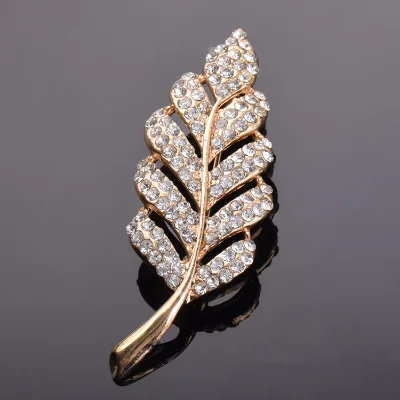
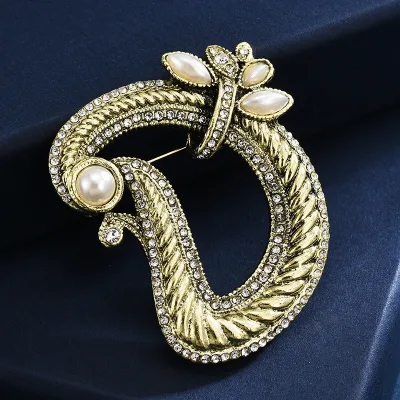
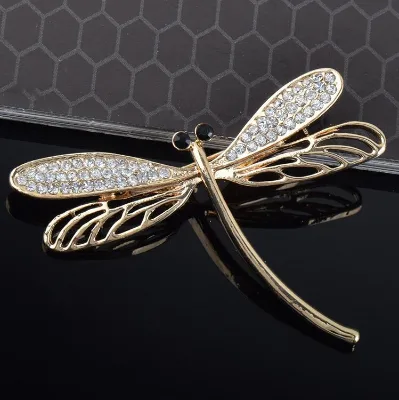


Comprehensive Sourcing Guide
Silver Plated Crystal Brooch Sourcing Guide
Procuring silver plated crystal brooches requires distinguishing between items plated over base metals and those crafted from solid sterling silver, as the supplied data reveals a mix of materials including 925 sterling silver and various metal alloys. Buyers must carefully verify the specific plating thickness and anti-oxidation treatments, such as the silver plating with anti-oxidized finish observed in listings, to ensure the jewelry retains its luster over time. This distinction is critical because the durability and perceived value of the piece depend heavily on whether the core material is a durable alloy or a precious metal base.
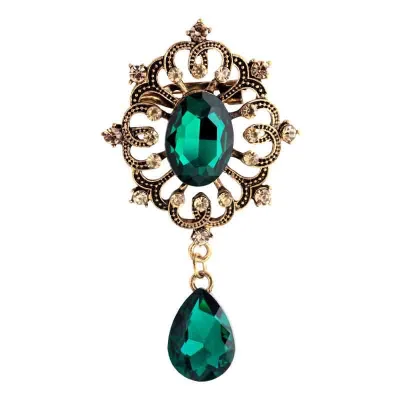
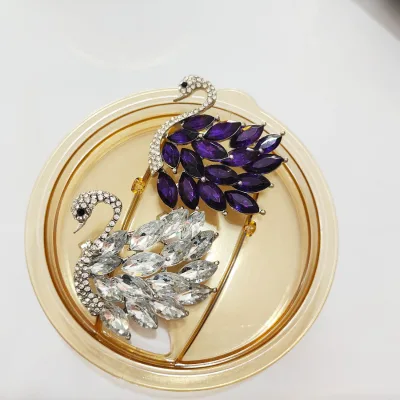
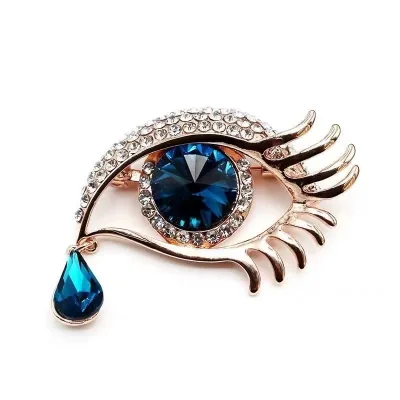
The market signals indicate a diverse range of styles, from elegant flower-shaped designs to fashion-forward letter badges, catering to occasions like parties and gift-giving. While some listings specify a single item selling unit, others suggest bulk packaging in OPP bags with protective films, highlighting the need for clear communication regarding packaging standards. Sourcing decisions should prioritize suppliers who explicitly define their customization capabilities, as the observed data shows that logos and sizes are often customizable, allowing for tailored branding solutions for corporate events or retail collections.
Product Scope and Observed Listing Signals
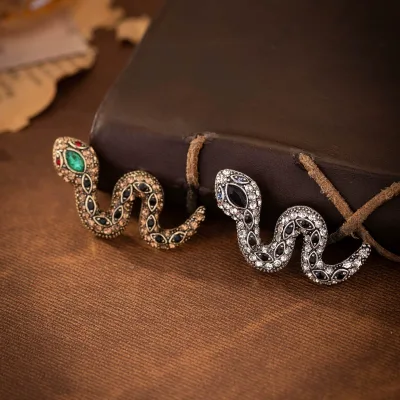
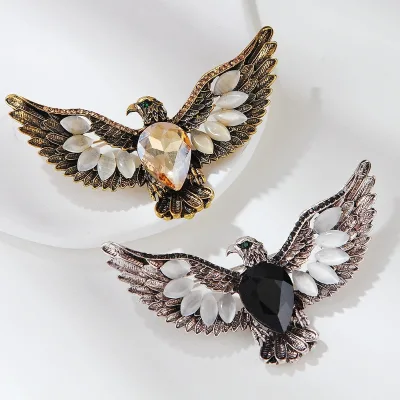
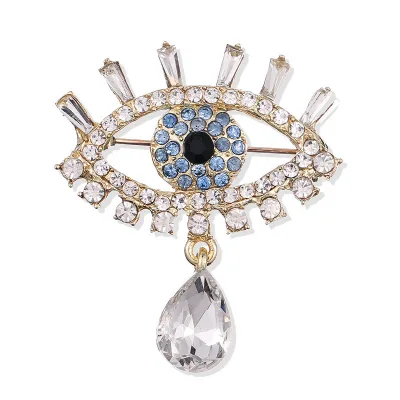
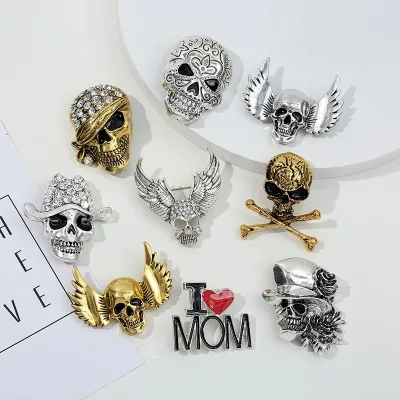
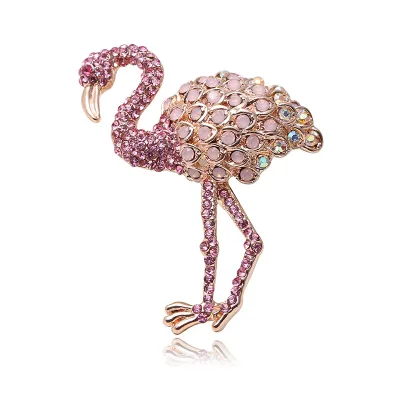
The observed product scope encompasses a wide variety of brooch types, including crystal brooches, alloy brooches, and sterling silver pins, each serving distinct aesthetic and functional purposes. Listings indicate that these items are frequently marketed as gifts or party accessories, with styles ranging from multicolour crystal arrangements to gold-toned metal alloys. Buyers should note that while some products are described as unisex, others are specifically targeted toward female demographics or middle-aged consumers, necessitating a clear definition of the target audience before initiating a procurement order.
Listing signals reveal significant variation in minimum order quantities, with observed ranges spanning from 50 pieces to 1000 pieces depending on the specific model and customization level. This variance suggests that smaller, standard designs may be available with lower entry barriers, whereas highly customized crystal or alloy models often require larger commitments to justify production setup costs. Procurement teams must align their inventory planning with these MOQ thresholds to avoid capital inefficiency, ensuring that the order volume matches the supplier's production capacity and the buyer's sales forecast.
Technical Specifications to Verify
Technical verification must begin with the material composition, as the data presents conflicting information regarding whether the core is 925 sterling silver or a metal alloy. Buyers should explicitly request material certificates or assay reports to confirm the silver content, especially when the listing mentions "silver plating" which could imply a base metal core rather than solid silver. Additionally, the surface finish process, specifically the anti-oxidized treatment mentioned in the data, requires validation to ensure the plating will not tarnish quickly under normal wear conditions or exposure to humidity.
Dimensional specifications and model numbers are equally critical, as the observed data includes specific identifiers like ORDER-12103BR and Crystal Brooch-057L, alongside customizable size options. Procurement teams must confirm whether the "customized" size claim applies to the overall dimensions or only to the logo placement, as this affects the mold creation and tooling costs. Furthermore, verifying the plating standard is essential, as the term "silver plating" can vary in thickness and quality, directly impacting the longevity and resistance to scratching of the final product.
Compliance and Safety Documentation
While the supplied facts do not explicitly list specific safety certifications, buyers must ensure that all brooches comply with international safety standards regarding heavy metals and nickel release, particularly for items intended for direct skin contact. The presence of silver plating and various alloys necessitates verification that the materials meet REACH or similar regulatory requirements to prevent allergic reactions or health hazards for the end consumer. Without explicit certification data in the listing, the buyer should mandate third-party testing reports before finalizing any large-scale order to mitigate liability risks.
Documentation regarding the origin of materials and the manufacturing process is also vital for supply chain transparency, especially given the observed place of origin in Guangdong, China. Buyers should request proof of origin and any relevant environmental compliance documents to ensure the manufacturing process adheres to sustainable practices and does not involve prohibited substances. This due diligence is particularly important for brands targeting markets with strict environmental and labor regulations, ensuring that the supply chain remains ethical and compliant with global trade laws.
Cost Drivers and Commercial Terms
Cost drivers for silver plated crystal brooches are heavily influenced by the choice of base material, with 925 sterling silver commanding a significantly higher price point than metal alloys or crystal-only constructions. The complexity of the design, such as the intricate flower shapes or custom letter badges, also impacts the unit cost due to the additional labor and tooling required for detailed craftsmanship. Buyers must analyze the trade-off between material quality and design complexity to optimize their budget while maintaining the desired aesthetic appeal for their specific market segment.
Commercial terms observed in the data include payment methods like T/T or Western Union and a lead time of 15 to 20 days, which are standard but require careful negotiation for larger orders. The supply ability of 3000 pieces per month suggests that while the supplier can handle moderate volumes, rush orders may require additional fees or extended lead times if the production line is at capacity. Procurement teams should clarify the port of dispatch, such as Yantian, and negotiate Incoterms to manage shipping costs and delivery timelines effectively, ensuring that the total landed cost aligns with their financial projections.
Supplier Qualification and Quality Control
Supplier qualification should focus on verifying the consistency of their production processes, particularly the surface finishing techniques like silver plating and anti-oxidation treatments that are critical for product longevity. Buyers must assess the supplier's ability to maintain quality control across different batches, as the observed data indicates a mix of product models and materials that could lead to inconsistencies if not managed rigorously. Establishing a clear quality assurance protocol, including pre-shipment inspections, is essential to ensure that the final products meet the specified standards for plating thickness and structural integrity.
The customization capabilities observed, such as logo printing and size adjustments, require a robust quality control framework to prevent errors in branding and dimensions. Buyers should request samples of customized items to verify that the logo placement is precise and that the customized sizes match the design specifications exactly. Additionally, evaluating the supplier's packaging details, such as the use of OPP bags and scratch-resistant protective films, is crucial to prevent damage during transit and ensure the product arrives in pristine condition for retail display.
Long-Term Procurement Checks
Long-term procurement success depends on establishing a reliable supply chain that can consistently meet demand without compromising on quality or lead times. Buyers should monitor the supplier's production capacity and supply ability, which is listed as 3000 pieces per month, to ensure they can scale up operations as sales grow without experiencing bottlenecks or delays. Regular communication and performance reviews are necessary to maintain a strong partnership and address any potential issues regarding material availability or production scheduling proactively.
Continuous quality monitoring is also vital to ensure that the silver plating and anti-oxidation treatments remain consistent over time, as these attributes are key to customer satisfaction and brand reputation. Buyers should implement a system for tracking defect rates and customer feedback to identify any trends that might indicate a decline in product quality. By maintaining strict oversight of the supply chain and product specifications, buyers can ensure a steady flow of high-quality brooches that meet the evolving needs of their market and maintain their competitive edge.
FAQs
What materials are used for these brooches?
The brooches are crafted from 925 sterling silver and metal alloy, with some styles featuring crystal accents. The surface is finished with silver plating and anti-oxidation treatment to ensure durability and a premium look for various occasions.
Can I customize the logo and size?
Yes, customization is available for both logo and size. Buyers can request specific dimensions and branding to suit their needs. This service allows for unique designs that align with your brand identity while maintaining high-quality standards.
What is the minimum order quantity?
The minimum order quantity varies by style, ranging from 50 pieces to 1000 pieces. Specific models like the silver plated crystal brooch may have different MOQs, so please check the individual product details for exact requirements before placing an order.
How long does production take?
The lead time for production is typically 15 to 20 days. This timeframe allows for quality control and customization processes. Please plan your sourcing schedule accordingly to ensure timely delivery for your events or retail needs.
Where are these brooches manufactured?
These brooches are manufactured in Guangdong, China. The region is known for its robust jewelry manufacturing industry, ensuring efficient production and high-quality output. The port of dispatch is Yantian, facilitating smooth logistics for international shipments.
What packaging is provided for the items?
Items are packaged in OPP bags with scratch-resistant protective film. Bulk orders are packed at 500 pieces per carton. This packaging ensures the brooches remain pristine during transit, protecting the silver plating and crystal details from damage.